About
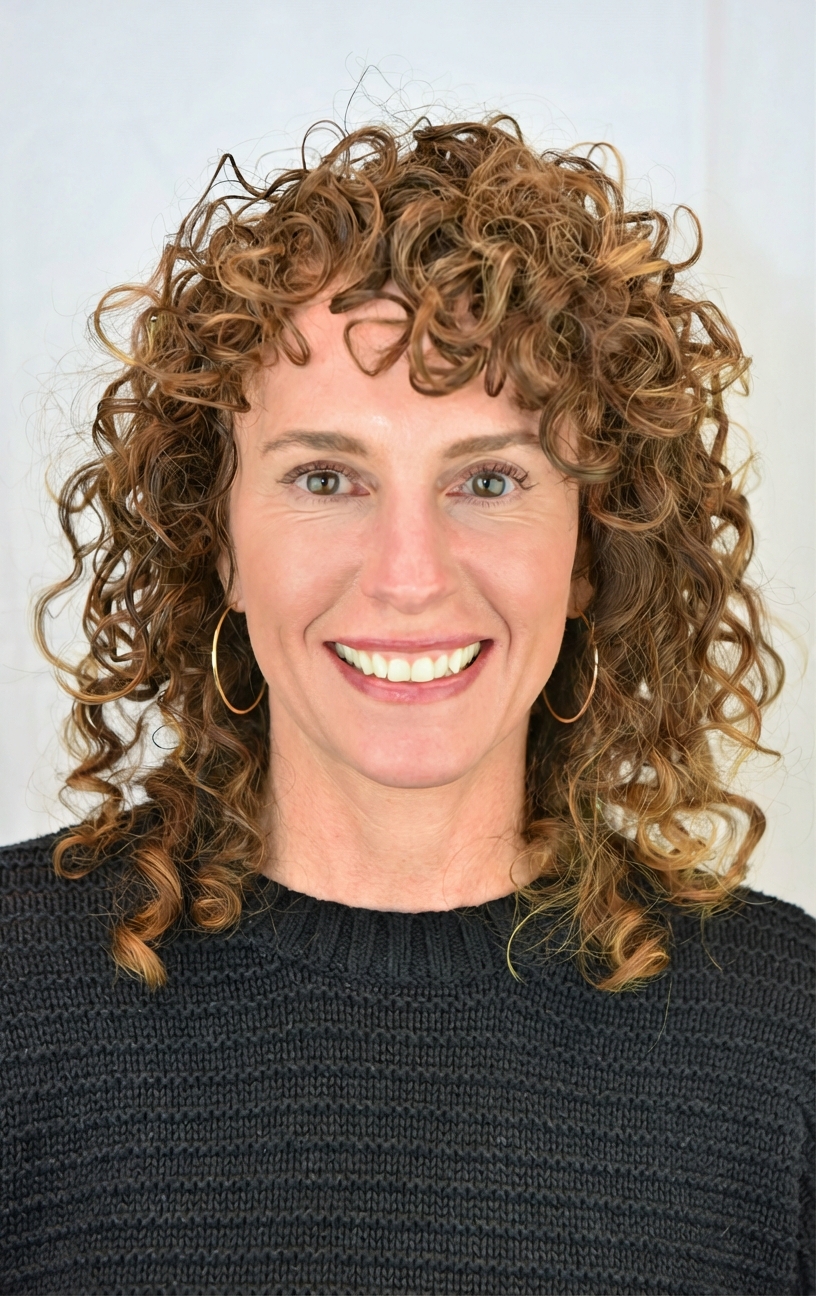
My Practice
I’m a board-certified Psychiatric Mental Health and Family Nurse Practitioner. I see adults, teens, and kids in my Issaquah office and across Washington via telehealth.
People come to me for all kinds of reasons: a professional who's been pushing through anxiety, depression, burnout, or sleep problems for years, a teen who feels overwhelmed, or a kid who can't focus in class. Some are managing more complex conditions like bipolar disorder, schizophrenia, or substance use. Others just want to get back to baseline. Steadier, sharper, more resilient.
My Approach
What I offer is medication management grounded in evidence and paired with a view of the whole picture. How you're sleeping, what stress looks like in your life, your relationships, and your physical health factor in. Medication is often part of the answer, but it works best within a bigger plan.
My approach is collaborative. You might have spent real time trying to understand what's going on before you ever walked through my door. I honor that work, and I want to hear what you've learned.
On a Personal Note
When I'm not at the office, I love to be outside hiking in the mountains, paddleboarding on Lake Sammamish, gardening, or scuba diving. At home I have two teenagers, a husband, an exotic cat, a big white dog, and more houseplants than I'll admit to.
I look forward to working with you.
Services
Initial Psychiatric Evaluation
75 minutes
This visit is for new patients. We'll talk through what brings you in, your mental health and medical history, past treatments, and your goals. You'll leave with my clinical assessment and a plan, which might include a prescription for medication if appropriate.
Expect about 75 minutes, though visits can range from 60 to 90 minutes. Simpler visits may be shorter, and pediatric or complex evaluations often run longer.
It's best if initial evaluations are done in person, but telehealth may be an option if travel is difficult and your situation is straightforward.
Book an EvaluationFollow-Up Appointments
30 minutes
During these visits, we'll monitor your progress, talk about what's working and what's not, and make medication changes as needed.
To start, we'll meet every 1-4 weeks, then every 1-3 months once you're stable. These appointments can be in-person or virtual. Controlled medications may require additional steps and occasional in-person visits.
For children and adolescents, evaluations often span more than one visit. The first follow-up is sometimes used to finish gathering history, review questionnaires, and collect input from parents, teachers, or other caregivers.
Book a Follow-UpDepression
Depression has strong evidence-based treatments, but effective care requires looking beyond symptoms to understand you as a whole person. We'll explore sleep patterns, physical health, stress, relationships, and daily functioning. Medication may be part of the solution, but so might be addressing an underlying thyroid issue, chronic sleep deprivation, or social isolation. Comprehensive care works better than medication alone.
Anxiety
Anxiety treatment is most effective when we address both biology and behavior. Evidence supports medication for many people, but also therapy, lifestyle changes, and understanding your specific triggers and patterns. We'll look at caffeine intake, sleep quality, exercise, breathing patterns, and avoidance behaviors. I'll help you understand what's happening in your body and brain, and we'll build a treatment plan that draws on multiple evidence-based approaches.
ADHD
ADHD assessment is nuanced. Sleep disorders, anxiety, and thyroid issues can all mimic ADHD, while ADHD itself is often missed in bright, successful people who've developed workarounds. I take a thorough approach: detailed history, rating scales, and consideration of alternative explanations. Treatment might include medication, but also sleep optimization, organizational systems, exercise routines, and addressing co-occurring conditions. The goal is functioning that actually works for your life, not just a prescription.
Bipolar Disorder
Bipolar disorder requires medication, but medication alone isn't enough. Evidence shows that outcomes improve significantly when we also address sleep consistency, circadian rhythm disruption, substance use, stress management, and early warning sign recognition. I'll help you understand your specific patterns and triggers, and we'll work together on a comprehensive plan that includes the right medication, regular sleep-wake times, mood tracking, and strategies for catching episodes early.
Sleep Issues
Sleep problems can be a primary disorder or a symptom of something else: depression, anxiety, sleep apnea, restless legs, or simply poor sleep habits. Evidence-based treatment starts with understanding the cause. We'll review your sleep hygiene, screen for sleep disorders, and consider whether an underlying condition needs treatment. Cognitive behavioral therapy for insomnia (CBT-I) has stronger long-term outcomes than medication, but sometimes medication is the right bridge while we address root causes.
Other Conditions
I also treat schizophrenia, substance use disorders, OCD, PTSD, and other conditions. My approach remains the same: evidence-based medication when appropriate, combined with attention to the whole person. This means coordinating with therapists, addressing co-occurring medical issues, supporting meaningful daily activities, and working within your support system. Complex conditions require comprehensive care, not just prescriptions.
Preparing for Your First Visit?
Get step-by-step instructions for what to expect during your first appointment.
Insurance & Payment
Accepted Insurance
Please verify your specific coverage and benefits with your insurance company before your first visit.
- Premera Blue Cross
- Regence Blue Shield
- Aetna
- Cigna
- First Choice Health
- United Healthcare
- Molina
- Coordinated Care
Self-Pay & Out-of-Network
I can provide superbills for out-of-network reimbursement. Many PPO plans offer partial coverage.
*24-hour advance notice required.
Frequently Asked Questions
What should I do to prepare for my first appointment?
Please complete the intake paperwork in the portal before we meet. Write down your main symptoms, when they started, and what you've already tried. If you have a medication list, past psychiatric medication trials, or prior records, bring them or upload them. If you have recent labs or relevant medical records, those can be helpful too.
View in-person first visit guide → | View telehealth first visit guide →
Where should I wait when I arrive for my appointment?
Please wait in the main lobby on the first floor, just past the main doors. I will come get you when it's time for your appointment. I strive to be on time, but occasionally the previous session runs a little long, so please be patient.
View complete first visit guide with photos and directions →
What is your late cancellation and no-show policy?
You can cancel or reschedule appointments through the patient portal up to 24 hours in advance. Within 24 hours, appointments cannot be canceled, so you'll need to attend or be charged a $100 no-show fee. If you arrive late, we may need to shorten the visit or reschedule so the next patient is not affected.
Will you prescribe medication at the first visit?
Sometimes, yes. If medication is appropriate and we have enough information to do it safely, we can start treatment at the initial evaluation. Other times I may recommend we gather more information first (records, rating scales, input from a therapist or primary care clinician, or labs) before making changes.
How often will we meet?
Early in treatment, follow-ups are typically more frequent while we fine-tune the plan. Once things are stable, visits usually spread out. For some people, this is one visit per month. For others, it's one visit every three months. We'll decide together based on symptoms, safety, and how the medication is working.
What's the difference between seeing you and seeing a therapist?
Therapists provide talk therapy as their primary focus. I provide psychiatric evaluation and medication management, though I do incorporate some psychotherapy into treatment. Many people benefit from both: medication to address brain chemistry, and regular therapy to work through patterns, behaviors, and life circumstances. I work collaboratively with therapists, primary care doctors, and other providers. With your permission, I can communicate with your treatment team to make sure everyone is on the same page.
How does medication treatment work?
Not everyone needs medication. During your evaluation, we'll look at your symptoms, how long you've been struggling, what you've tried, and how much it's affecting your functioning. The decision is always collaborative. If we decide to try medication, expect some trial and adjustment. We'll discuss potential side effects upfront (most are mild and temporary), and if something doesn't work well, we adjust the dose or try something different. Some people need medication short-term, others long-term. We'll monitor your progress and reassess regularly.
How do you evaluate ADHD?
My ADHD evaluations are a multi-step process that typically takes two to three visits. The assessment includes clinical interviews, standardized questionnaires, and, in some cases, computer-based testing.
Collateral information is required as part of the evaluation. This includes input from people who know you well, ideally individuals who knew you during childhood. For children, teacher feedback is required.
If you have been previously diagnosed with ADHD, you will need to provide documentation from your prior provider along with a signed release of information. This can be arranged during your first appointment.
For patients over age 40, I may require an EKG or documentation from your primary care provider confirming adequate cardiovascular health before prescribing stimulant medications, as these medications can increase heart rate and blood pressure and may pose risks in individuals with underlying cardiac conditions.
Is what we talk about confidential?
Yes. What you share is protected by HIPAA and professional confidentiality laws. The main exceptions are if you're at imminent risk of harming yourself or others, or if there's suspected abuse of a child or vulnerable adult. Otherwise, I don't share information without your written permission.
How does telehealth work?
Telehealth appointments are live video conversations conducted through your computer, tablet, or phone. You'll receive a link to join your appointment. If you're on a phone, you'll need to download the SimplePractice app first. It's straightforward. Just click the link at your appointment time and you'll be connected. For the best experience, be on a Wi-Fi network and make sure you have a good connection.
Do I need to be in Washington for telehealth?
Yes. For telehealth visits, you must be physically located in Washington State at the time of the appointment.
Should I do in-person or telehealth appointments?
Both have benefits. In-person visits allow for a more thorough assessment, especially for initial evaluations, and some people prefer the structure of coming to an office. Telehealth is convenient, eliminates travel time, and works well for follow-up appointments when you're stable on treatment. Many patients do a mix: initial evaluation in person, then telehealth for follow-ups. Controlled medications may require additional steps and occasional in-person visits.
How do you work with kids and families?
When treating children and adolescents, parents and family are an important part of care. For younger children, parents are typically present for the entire visit. For tweens and teens, I usually meet with them alone for most of the session and bring parents in to discuss the treatment plan and answer questions. In Washington State, minors aged 13 and older have a legal right to privacy in their mental health care, which means what we discuss stays confidential unless there are safety concerns. I work collaboratively with parents while respecting the child's privacy, and with permission, I can also communicate with schools, therapists, or other providers involved in your child's care.
Can a parent, partner, or family member join the visit?
Yes, if you want that. For adults, I only include another person if you consent. For tweens and teens, I usually meet with them alone for most of the visit and include parents for planning and questions.
What insurance do you accept?
In-network plans include Premera Blue Cross, Regence Blue Shield, Aetna, Cigna, First Choice Health, United Healthcare, Molina, and Coordinated Care. Self-pay options and out-of-network superbills are also available. Contact your insurance to confirm your specific benefits, copays, and deductibles.
Can you tell me exactly how much my insurance will cover?
I can verify whether you are in-network with me, but I cannot provide details about your deductibles, copays, or coinsurance. Your insurance company makes the final determination about what they'll pay. You'll need to contact your insurance directly to understand your specific coverage, out-of-pocket costs, and plan details.
Can I contact you for medication refills?
Yes, but only when you have no refills remaining on your prescription. If your prescription still has refills, your pharmacy can handle it directly without involving me. Use the patient portal to request a new prescription when all refills have been used. I might need to see you first, though.
How do I contact you between visits, and how quickly will you respond?
Please use the patient portal for non-urgent questions (scheduling, pharmacy coordination, refills when no refills remain, and brief medication questions). Messages are not monitored for emergencies. I respond during business hours as I am able, usually within 1–2 business days. Any clinical matters require an appointment.
Do you order labs or coordinate with my primary care clinician?
Sometimes labs or medical follow-up are part of good psychiatric care. If needed, I can order labs or coordinate with your primary care clinician. With your written permission, I can also coordinate with your therapist or other members of your care team.
I really need to see you soon, but you're fully booked. What should I do?
Send me a message through the patient portal, and I will make time for you.
What is your policy on emotional support animal (ESA) letters?
Emotional Support Animal (ESA) letters require a clinical appointment. I provide them only when I can document both a qualifying mental health disability and a disability-related need for the animal in housing. Letters are for housing accommodation only and are not service animal certifications. There is an additional fee for completing ESA letters.
What are your credentials?
I'm an Advanced Registered Nurse Practitioner (ARNP) in Washington State with full prescriptive authority. I'm board-certified as a Psychiatric Mental Health Nurse Practitioner (PMHNP) and certified as a Family Nurse Practitioner (FNP-C). My degrees include a BS in Zoology from Michigan State University, a BSN in Nursing from the University of Michigan, an MSN from the University of North Carolina at Chapel Hill, and a post-master's psychiatric-mental health nurse practitioner degree from Frontier Nursing University.
What should I do in a mental health emergency?
Call 988 for mental health crisis support, call 911, or go to your nearest emergency room. The office is not equipped to handle emergencies, and urgent concerns require immediate professional intervention.
Patient Reviews
"I have never had a provider validate my feelings and symptoms so much. Mrs. Swartz was so welcoming and warm. She was extremely informative with her recommendations and made sure to really get to know me even on my first visit."
"Kate is amazing. She listens and is very thorough in selecting the best treatment plan for you. She is a true gem."
"Kate was extremely compassionate and empathetic and committed to helping me get better."
"She's AMAZING and like her. i hate most people."
"A communicative, empathetic, and extremely professional person."
"Great all around."
Contact
Office Location
Communication
Office Photos
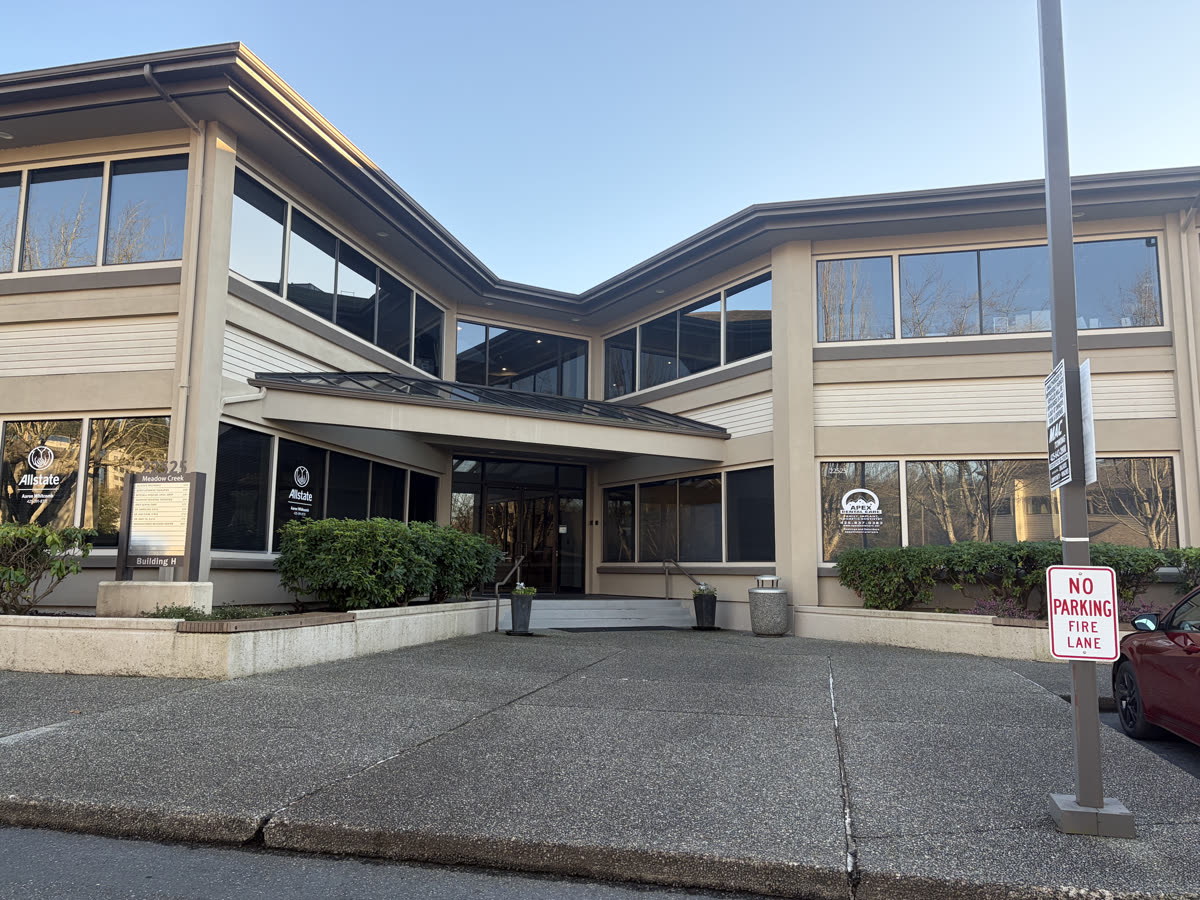
Entrance to the building.
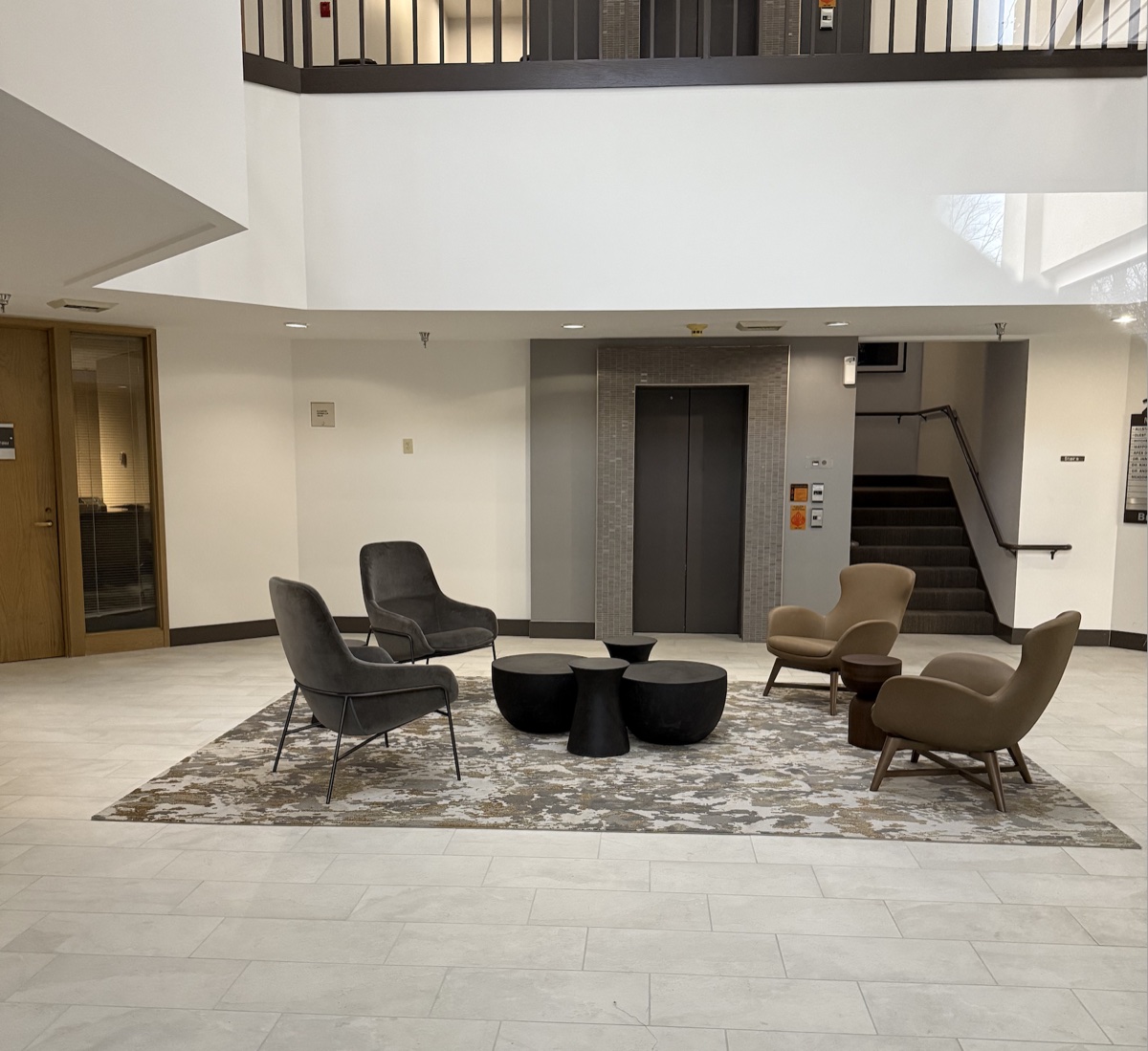
Comfortable waiting area
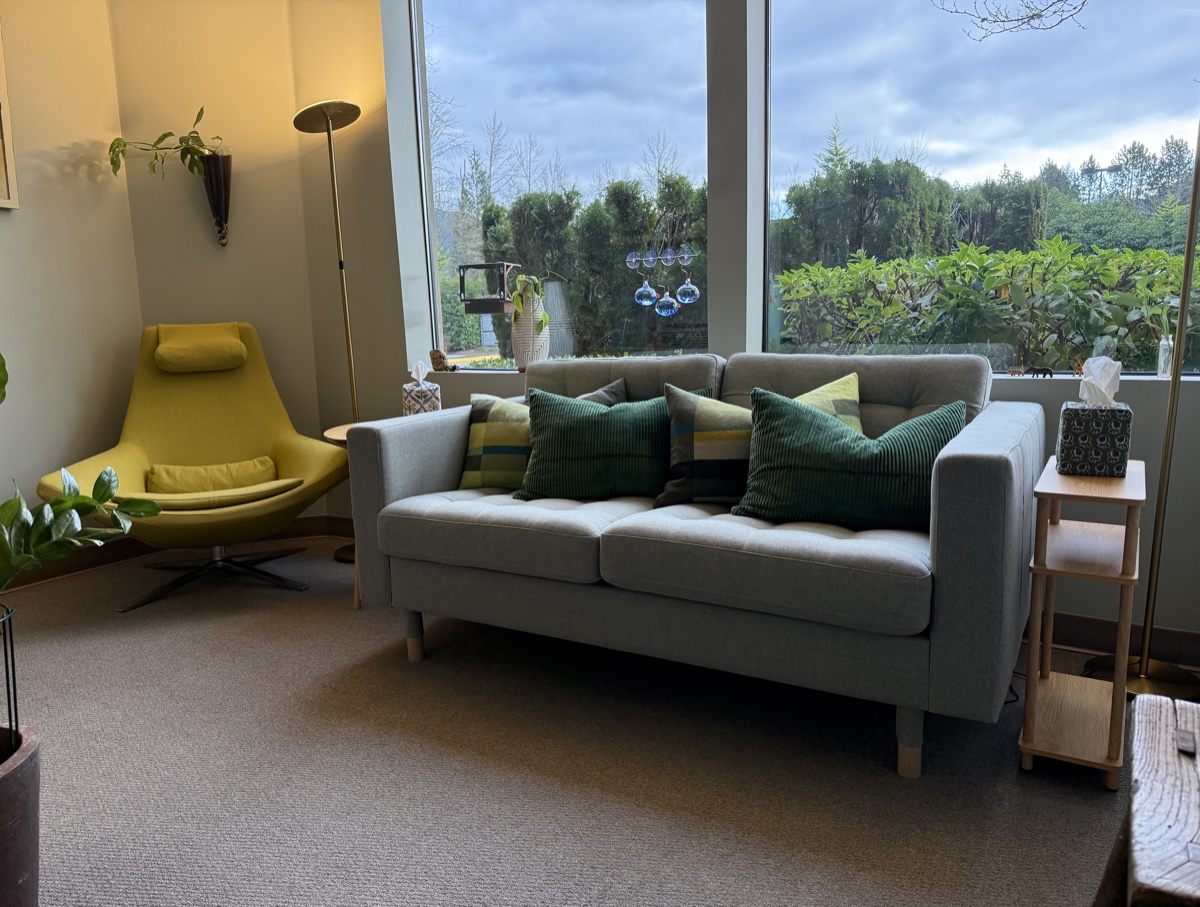
Private consultation room
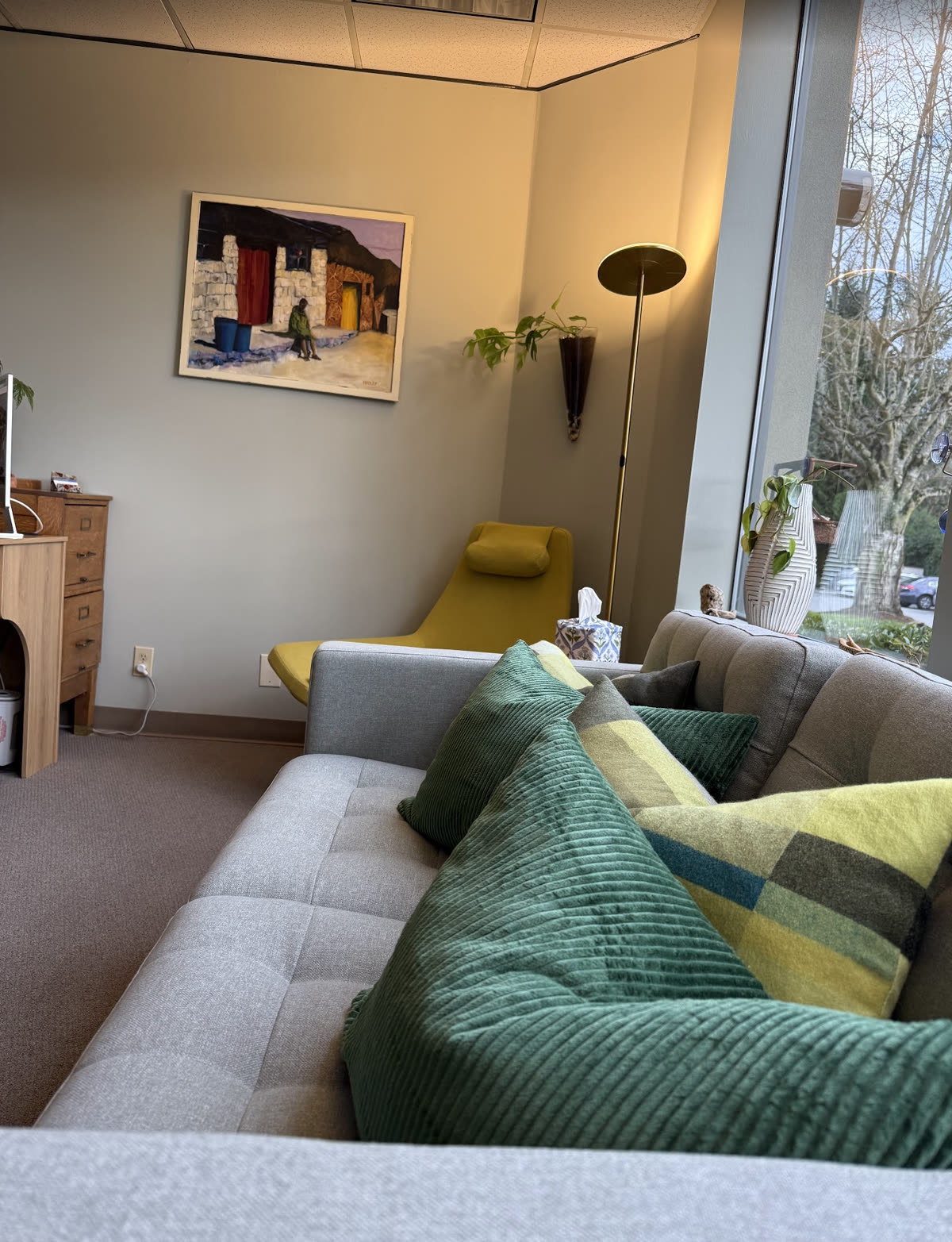
Consultation room
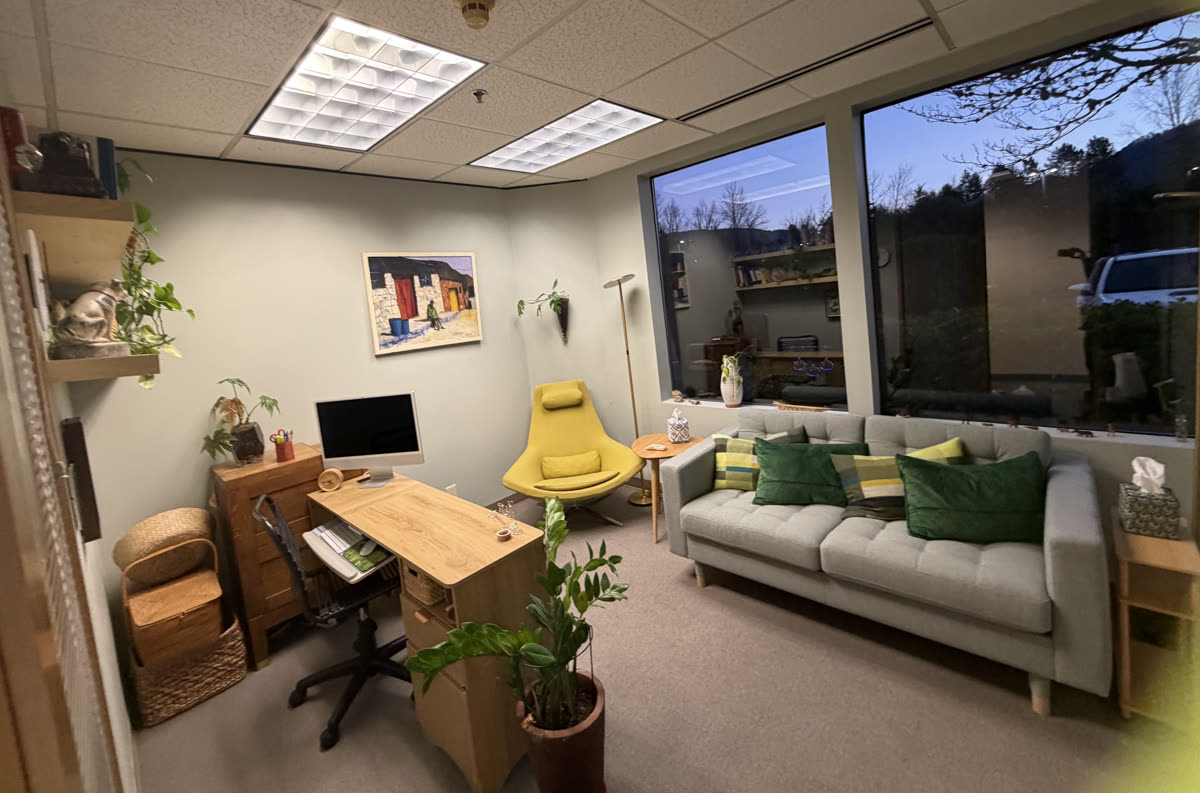
Consultation room
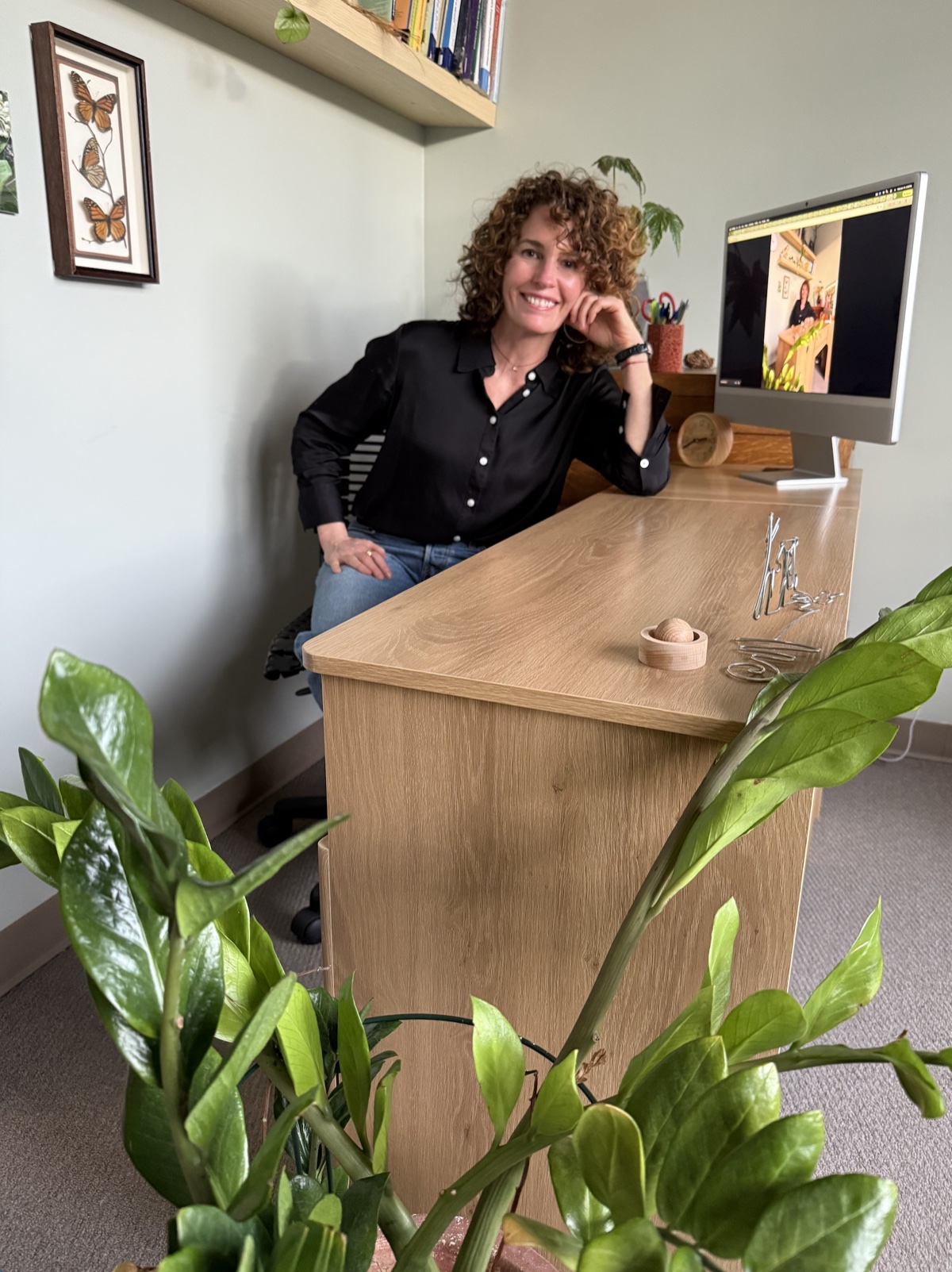
Kate at her desk